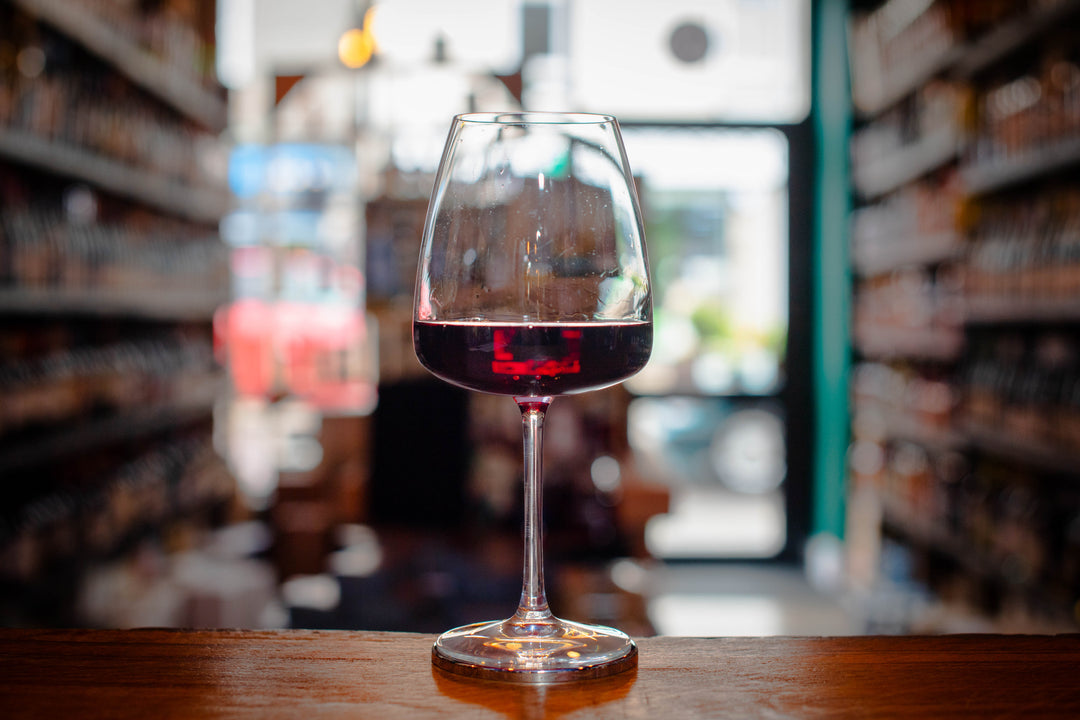
The Tempranillo grapes are sourced from the Los Palos de Tanis, La Pasada and Viña María vineyards belonging to the Ontañón Family in the Sierra de Yerga, Rioja Oriental. Planting began here at the start of the 1990s, in very stony, loam-textured soils - at an average altitude of 680-800 metres. Sulphites aren't used for the production of this wine, in either the vineyard, or during the winemaking process, so the grapes are treated very carefully. They're picked by hand and transported to the winery in small crates. Here they undergo a rigorous selection process, and after destemming, are put into the press with dry ice. Fermentation takes place over seven days, with pigeage, to achieve a very high level of colour and aroma extraction. Only the free-run must is used, and malolactic fermentation takes place at a controlled temperature in barrels for two weeks. Natural fining agents and filtration are employed before the wine is transferred to American oak casks, where it is aged for fifteen months before bottling. Oak ageing is rarely employed in wines with no added sulphites (due to the oxidative nature) however this wine is incredibly fresh and vibrant with an extra purity from not having the sulphites added.